Marketing in 2025 is more expensive, noisier, and less forgiving than it has ever been.
Ad costs continue to rise. Attention continues to fragment. And most SMEs are still spreading limited budgets across too many channels, hoping something sticks.
That approach no longer works.
The businesses that are growing profitably are not the ones “doing more marketing”. They are the ones making fewer, better decisions, prioritising channels that produce measurable commercial return, not just reach or engagement.
Below are the 3 marketing channels consistently delivering the highest ROI for SMEs, based on observed performance across real campaigns, real budgets, and real accountability.
Not every channel is right for every business. But every channel listed here earns its place because, when executed properly, it produces revenue — not vanity metrics.
1. Google Search Ads: Buying Demand, Not Creating It
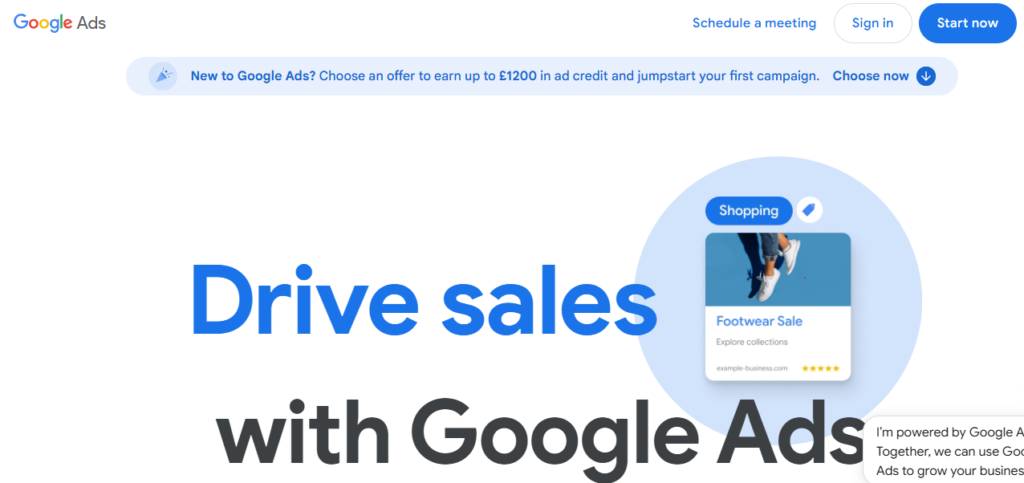
Google Search remains one of the highest-intent channels available to SMEs.
Why it works now
Search captures existing demand. In practice, we see that when budgets are tight, channels that intercept ready-to-buy users outperform awareness-led activity almost every time.
For SMEs, this matters. You are not trying to educate the market, you are trying to convert people already looking for solutions.
What it suits best
Service-based businesses, local operators, B2B firms with defined offers, and eCommerce brands with clear purchase intent. For eCommerce brands, platforms like TikTok Ads can also complement search campaigns when targeting engaged audiences.
Typical ROI logic
Search ads convert because the user intent is explicit. When campaigns are structured around commercial keywords (not broad research terms), it is common to see predictable cost-per-lead or cost-per-sale ranges that can be modelled against gross margin.
Common mistakes
Chasing volume instead of intent, bidding on vague keywords, poor landing pages, and failing to exclude low-value searches. Search ads fail when treated like a traffic source instead of a revenue engine.
2. Paid Social: Scalable When Targeted, Wasteful When Broad
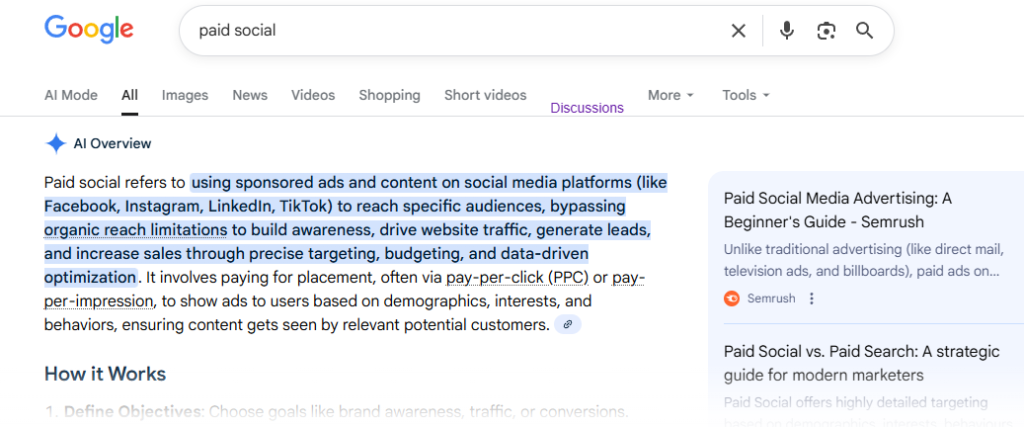
Paid social still works, but only when used with discipline.
Why it works now
Platforms like Meta and LinkedIn offer targeting and creative testing at a scale SMEs cannot replicate elsewhere. In practice, we see paid social work best when it feeds a broader system rather than acting as a standalone channel. B2B firms in particular can benefit from LinkedIn Ads for B2B Growth to target decision-makers effectively.
What it suits best
Brands with clear positioning, repeatable offers, or strong differentiation. LinkedIn, in particular, suits B2B firms with defined decision-makers and longer sales cycles.
Typical ROI logic
Paid social often delivers indirect ROI. It supports demand creation, remarketing pools, and pipeline velocity. Returns improve when campaigns are measured across the full journey, not just last-click attribution.
Common mistakes
Boosting posts, chasing engagement, broad targeting, and relying on “clever” creatives without a clear commercial message. Paid social becomes expensive fast when objectives are unclear.
3. Email Marketing: The Highest ROI Channel Most SMEs Underuse
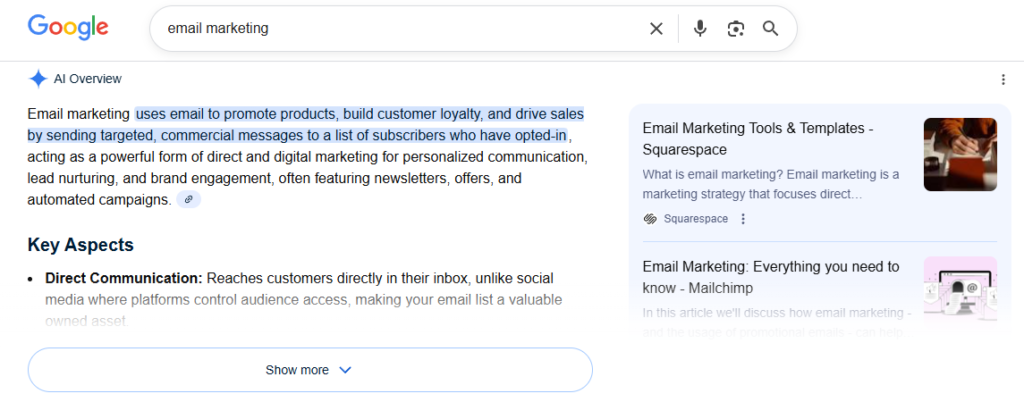
Email consistently outperforms almost every other channel on cost efficiency.
Why it works now
Email is owned attention. No algorithm. No bidding war. Data consistently shows that businesses with active, segmented email lists outperform those relying solely on paid traffic.
What it suits best
Any SME with repeat customers, leads, or a sales process longer than a single touchpoint.
Typical ROI logic
Email leverages sunk acquisition costs. The ROI comes from activating people you have already paid to reach. In practice, lifecycle campaigns often outperform new acquisition channels on margin.
Common mistakes
Sending newsletters with no commercial intent, poor segmentation, inconsistent cadence, and treating email as an announcement tool instead of a sales asset. Refer to Why 3-Month Growth Plans Beat Annual Marketing Strategies to integrate email into a systematic growth plan.
How to Choose the Right Channels for Your Business
Most SMEs do not need all ten channels.
They need focus, sequencing, and alignment with commercial goals.
The right mix depends on:
- Sales cycle length
- Average order value
- Margin structure
- In-house capability
- Growth stage
In practice, ROI comes from doing fewer things exceptionally well — not trying to be everywhere. Understanding the biggest marketing mistakes SMEs make can help in choosing the right focus.
A Final Word on ROI-Focused Growth
The SMEs that grow profitably in 2025 will not be the ones chasing trends.
They will be the ones auditing where money is actually going, cutting what does not perform, and building systems that compound over time.
At Grow My SME, we help businesses prioritise channels, align spend with commercial outcomes, and build growth systems, not one-off campaigns.
If you are serious about improving ROI, the first step is not launching something new. It is understanding what is already working, and what is quietly draining your budget.
A conversation can clarify that faster than another campaign ever will.